
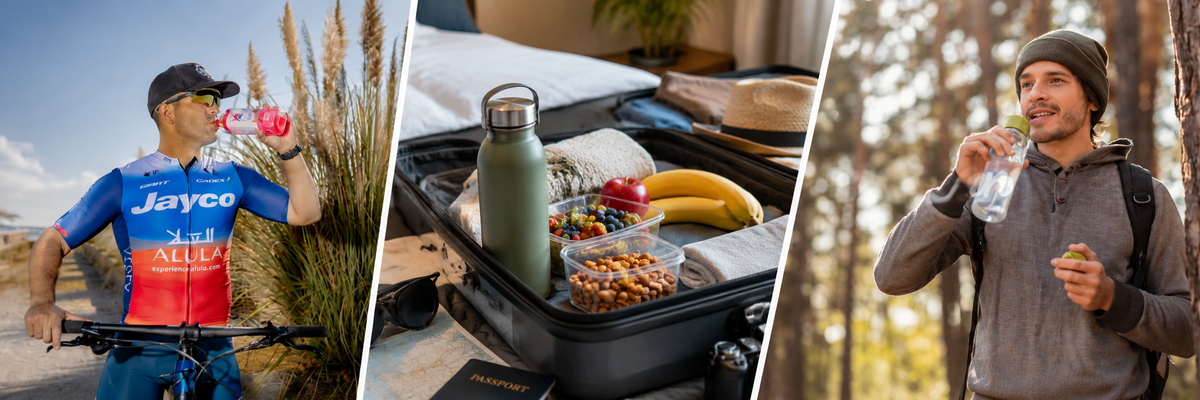
Avoid vacation sluggishness with simple fiber, hydration, food, sleep, and movement tips for beach holidays, hiking trips, road trips, and more.
Content Outline
- Why can travel leave you feeling sluggish and irregular?
- Fiber and Hydration: A Simple Vacation Wellness Partnership
- How to build a travel-friendly fiber and hydration routine
- How to stay well on different types of trips
- Your simple daily vacation wellness checklist
- Travel Lighter and Feel Better With Fiber-O-Lytes™
Going on vacation is an exciting time. It’s an opportunity to rest, relax, or try new things. Vacations should leave you feeling refreshed and energised, not sluggish, bloated, or bunged up. Yet, unfamiliar foods, long journeys, hot weather, and changes to your usual routine can all affect how you feel.
Fortunately, there are things you can do so that you don’t have to follow a strict health and wellness plan while you’re away. A few simple habits can help support your hydration, digestion, energy, and overall comfort, whether you’re relaxing on the beach, hiking in the mountains, sightseeing in a city, or taking a road trip.
Here, we explore ways to keep yourself well on vacation so you can make the most of your adventure.
Why can travel leave you feeling sluggish and irregular?
Travel is fun, but it can be disruptive, not only to your usual routines but also to your health and wellbeing. For example, changes in when you eat, drink, sleep, move, and use the bathroom can disrupt your digestive system. Eating less fiber, drinking too little water, sitting for long periods, and ignoring the urge to go can lead to constipation, bloating, tiredness, and general discomfort.
The digestive system likes routine and consistency. Yet, on vacation, almost every aspect of your normal routine can change at once. Some of the common travel-related disruptions include:
🪑Long periods of sitting: Flights, train journeys, and road trips can all reduce your normal daily movement.
🍔New foods: Restaurant meals and convenience foods may contain less fiber than your usual diet.
🥤Reduced fluid intake: You may drink less water to avoid bathroom stops, forget to drink, or swap water for high sugar or alcoholic drinks, which can lead to an increased risk of dehydration and constipation.
☀️Hot weather and exercise: Sweating while at the beach, exercising, or hiking can cause you to lose more water and electrolytes.
💤Sleep disruption: Late nights, early mornings, awkward travel times, and time-zone changes can all affect your energy, mood, and digestion.
🚽Altered bathroom habits: Some people may feel uncomfortable using unfamiliar or public bathrooms or not know how to ask for the services in a foreign language.
✈️Travel stress: Delays, queues, and unfamiliar surroundings can all influence your gut and mood.
Constipation is commonly associated with changes in diet or routine and an inadequate intake of fiber, while a lack of fluid and physical activity can also contribute, all of which are common while on vacation [1].
Please note if your symptoms last longer than 14 days or if you’re experiencing fewer than three bowel movements per week, contact a physician for advice.
Fiber and Hydration: A Simple Vacation Wellness Partnership
Fiber helps to add bulk to your stools and support regular bowel movements, while fluid helps keep stools softer and easier to pass. If you increase your fiber intake without drinking enough fluid, you may experience discomfort, so the two should be considered together, especially when travelling in hot weather or being physically active.
Your body is not equipped to digest fiber. It’s found in foods, such as:
-
Fruit
-
Vegetables
-
Wholegrains
-
Beans
-
Lentils
-
Nuts
-
seeds
There are two main types of fiber. They are:
-
Soluble fiber which absorbs water and forms a soft, gel-like material in the digestive tract. It helps to regulate blood sugar, lower cholesterol, and feeds the beneficial bacteria in your gut by acting as a prebiotic [2].
-
Insoluble fiber does not dissolve in water and passes through the digestive tract largely intact. It’s commonly known as roughage and adds bulk to your stools, helping food and waste move quickly through your system [3].
How much fiber do you need?
The amount of fiber you need per day will depend on where you’re from. Here’s a rough guide of what you should be aiming for whether you’re from the US, UK, or EU:
How to build a travel-friendly fiber and hydration routine
A successful travel routine should be flexible enough to work around early flights, excursions, restaurant bookings, and lazy days by the pool. Instead of aiming for perfection, creating a few simple “anchors” that can be repeated daily is a good way to support your health and wellbeing while travelling.
1. Prepare before you leave
Suddenly increasing your fiber intake on the first day of your trip is likely to leave you gassy, bloated, or in abdominal discomfort. Instead you should:
-
Gradually increase your fiber intake in the weeks before you travel if your intake is low.
-
Try any new fiber supplements, like the 2.5X Potent Fiber, at home before you travel to see how your body responds and if you may need to adjust your dose.
-
Pack more supplements or servings than you may need in case of any delays or travel changes.
-
Keep travel snacks within reach, rather than in checked luggage.
2. Create a morning anchor
Your schedule may change, but you can still begin most days with the same short routine:
-
Drink water as soon as you wake up.
-
Eat a high-fiber breakfast.
-
Get some gentle exercise, like walking, stretching or a quick swim.
-
Give yourself enough time to use the bathroom without rushing.
Check out our 7-day flavorful meal plan for some healthy, but tasty breakfast ideas.
3. Spread fiber across the day
Trying to cram your whole day’s fiber into one meal can leave you feeling uncomfortably full. At breakfast, this could hinder your day's plans, and for your evening meal, it could leave you struggling to sleep. You’ll often find that it’s easier to include smaller amounts at each meal and snack instead.
Look for simple solutions, such as:
-
Berries, pears, apples, oranges, and kiwi
-
Beans, chickpeas, lentils
-
Wholegrain bread, pasta, or rice
-
Nuts and seeds
-
Oats or high-fiber breakfast cereal
-
Raw vegetables (cucumbers, peppers, carrots) with hummus
-
Salads, vegetables, soups, or cooked vegetable sides
High-supplements, like the 2.5X Potent Fiber, or a combination of fiber and electrolytes, such as our Fiber-O-Lytes range, are a great way to bridge the gap, particularly while on vacation, but they should not replace a balanced and varied diet.
How to stay well on different types of trips
Your wellness needs will change depending on where you are going on vacation and what you plan to do there. A beach day, a mountain hike, a long flight, and city breaks each present different challenges and place your body under different strains. Packing Fiber-O-Lytes, which combines soluble fiber with sodium and potassium, provides a convenient way to support your fiber and electrolyte intake when your usual routine is disrupted.
|
Activity |
Common challenges |
How Fiber-O-Lytes can help |
Other tips |
|
Beach or pool day |
Heat, sweating, increased alcohol intake, and limited access to shade |
Provides electrolytes plus water to help you stay hydrated, plus 6g of fiber to help keep your digestive system flowing |
Seek shade, apply sunscreen regularly, eat hydrating fruit such as watermelon, limit excess alcohol, and take frequent sips of water |
|
Hiking or cycling |
Increased sweating and fewer convenient healthy food options |
Supplies 500mg of sodium and 300mg of potassium to replace the salts lost during sweating to prevent dehydration and soluble fiber to support digestion and energy levels |
Hydrate before you set off, carry enough water for your trip, and pack fiber-rich snacks |
|
City break |
Busy schedules, warm weather, and frequent restaurant meals |
Offers a convenient fiber and electrolyte option during long sightseeing days to prevent dehydration and constipation when healthier, homemade food options are limited |
Carry a reusable water bottle, walk between sights, and try to add vegetables, beans, or fruit to meals |
|
Road trip |
Delayed bathroom breaks and convenience foods |
Individual stick packs are easy to carry and mix at a planned rest stop to keep you hydrated, especially during hot weather, and fiber to prevent constipation when movement and access to high-fiber food are more limited |
Schedule regular breaks, keep water accessible, and pack fruit, nuts, or wholegrain snacks |
|
Long flight or train journey |
Long periods of sitting, dry cabin air, and irregular meals |
Encourages fluid intake while maintaining access to fiber |
Walk when safe, stretch regularly, and choose wholegrain snacks where possible |
|
Resort or cruise break |
Rich buffet foods, alcohol, and routine changes |
Tops up fiber intake while providing key electrolytes alongside water |
Balance rich meals with fruit, vegetables, wholegrains, movement, and water |
Your simple daily vacation wellness checklist
Use our quick checklist to support your comfort without letting wellness take over your trip:

Travel Lighter and Feel Better With Fiber-O-Lytes™
You cannot control every delay, menu, or change of plan. You can, however, make it easier to support your fiber and hydration intake wherever your vacation takes you.
Pack The Clear Jar’s Fiber-O-Lytes™ for a convenient, sugar-free combination of soluble fiber and electrolytes. Choose your favourite flavour, add a few stick packs to your day bag, and spend less time worrying about your routine and more time enjoying the journey.
Disclaimer: Seek medical advice if constipation is severe, persists, or occurs with significant abdominal pain, vomiting, blood in your stool, unexplained weight loss, or an inability to pass gas. Signs of heat illness, including confusion, fainting, severe weakness, or worsening symptoms, require urgent help.
Written by: Leanne Edermaniger, M.Sc. Leanne is a professional science writer who specializes in writing about human health and wellbeing. Her work focuses on translating complex medical science into evidence-based, practical health guidance.


