
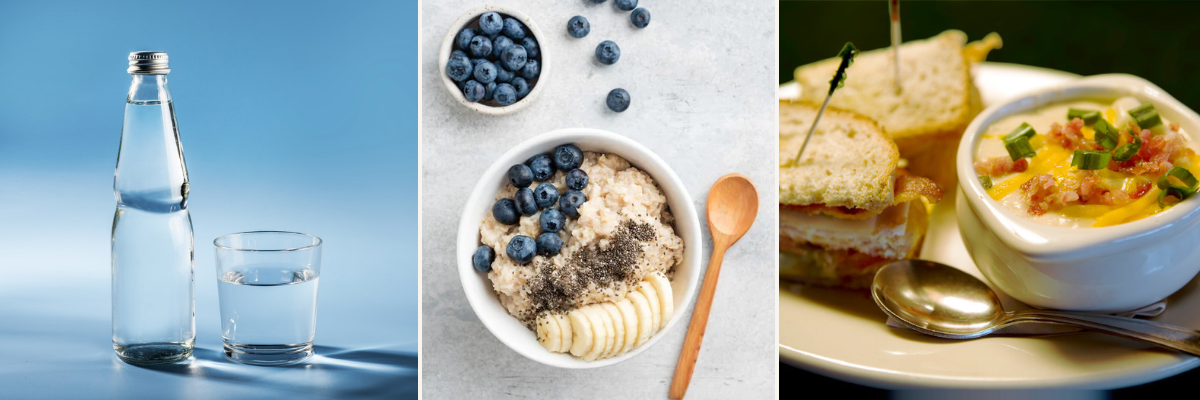
Struggling with GLP-1 constipation or nausea? Learn how steady hydration, gentle fiber and small meals may help you feel more comfortable.
Content outline
GLP-1 medications can change your appetite before you’ve figured out how to adjust your routine for the better. They work by reducing your hunger, leaving you full after just a few bites, but their side effects can make you forget to drink water and stay hydrated, or make a meal you once loved leave you feeling queasy. The most common GLP-1 side effects are digestion-related, including constipation and nausea, leaving many users wondering what they can do to help them feel better.
Small adjustments to your daily routine and lifestyle can help. From drinking regularly, cutting down your portion sizes and adding fiber gradually can help make your treatment more comfortable. Here, we discuss how gently adding fiber and improving your hydration routine can improve GLP-1 constipation and nausea.
Why do GLP-1 medications cause digestive side effects?
GLP-1 medications contain ingredients that mimic a specific hormone involved in appetite and blood sugar control called glucagon-like peptide-1 (GLP-1) [1]. They do this by slowing how quickly food moves out of the stomach, which is why you may feel satisfied with a smaller meal and why suddenly eating your usual portion might feel uncomfortable.
Because GLP-1 injections and pills work by changing how your digestive organs, like your stomach, intestines, and brain, process food, it’s common to experience gastrointestinal side effects. As well as constipation and nausea, other common adverse effects include:
-
Vomiting
-
Diarrhoea
-
Stomach pain [2]
It’s not just the medication’s side effects that may be affecting your response. Factors such as eating less may also mean that you take in less fluid and fiber unintentionally. Your breakfast may have gone from your usual portion of cereal to a few bites of toast. You may also drink less water than usual in fear that it may contribute to vomiting or diarrhea. Yet, this could also contribute to constipation and headaches.
GLP-1 constipation: Start with fluids
Constipation is uncomfortable and makes your stools hard and difficult to pass, or less frequent than you’re used to. Because GLP-1 weight loss medications slow the movement of food through your digestive tract, your colon has more time to absorb water from your stools, which can result in constipation.
However, it is often manageable at home with proper hydration and a gentle increase in fiber.
Make drinking easier on a smaller appetite
The most obvious way to combat GLP-1 constipation is to drink more water, but you don’t need to force down a whole bottle of water in one sitting. Instead, the best way to keep dehydration and constipation at bay is to take frequent sips throughout the day. You can try:
-
Having a glass of water as soon as you wake up
-
Filling a water bottle and keeping it with you while you travel and at work, taking a sip every 15 minutes or when you remember
-
Sipping water between meals if drinking with food makes you feel too full
-
Choosing water, sparkling water, or an unsweetened drink you enjoy
-
Keeping a food and hydration diary, so you can track how much fluid you have had that day
Your fluid needs depend on your size, activity, climate, and any health conditions you have. For example, if you work out and sweat a lot or you live in a hot climate, you may need to drink more than the recommended 1.5 to 2 liters per day [3].
Add fiber gently, especially if you feel bloated
Fiber is the part of plant food that your body does not fully digest. It supports normal bowel function and prevents constipation, but the amount you consume, and how quickly you increase it, matters. Suddenly adding a large serving of beans, bran, or a full scoop of a fiber supplement overnight can cause gas and bloating.
How much fiber you should be aiming for daily depends on where in the world you live. In the US, it is recommended that women aim for 25g while men aim for 38g of fiber per day [4], while in the UK all adults should be getting 30g per day [5] and in the EU it’s 25g for adults [6]. Confused? Check out our guide: Why You Need 36% of Your Daily Fiber: A Deep Dive into Modern Dietary Gaps.
If you are going to add fiber to your diet to help bulk up your stools, remember to:
-
start slowly by adding a small amount of fiber to your meals over several days or weeks, if you are not used to it
-
increase your water intake because some types of fiber soak up fluid, which can make your constipation worse
Easy foods to try
Fiber is readily available in many natural foods. Soluble fiber is found in foods such as oats, beans, apples, avocados, berries and in some fiber supplements, while insoluble fiber, which adds bulk to your stools, is found in whole wheat, nuts, seeds, cauliflower, kale, and spinach.
A gentle approach for adding fiber to your diet includes:
-
adding oatmeal, wholemeal toast, or porridge to your breakfast routine
-
packing a piece of fruit in your lunchbox
-
incorporating a serving of vegetables into your evening meal
Try one small change at a time. For example, add a small serving of oatmeal for several days before increasing your intake of another food high in fiber. Find out more about how you can add fiber to your family’s favorite meals in our guide.
Can fiber supplements help with GLP-1 constipation?
Yes. Fiber supplements offer a practical way to help close the fiber gap if you’re struggling to meet your daily needs because of GLP-1 side effects or because you are travelling or have a busy schedule.
van der Schoot et al (2022) concluded that fiber supplements that contained more than 10g of psyllium, a type of soluble fiber [6], per day, was an effective way to treat chronic constipation by improving stool consistency. However, it was noted that higher fiber doses were associated with increased flatulence [7].
The Clear Jar offers two options for different routines. Fiber-O-Lytes is a drink mix that contains 6 grams of fiber and a combination of 500mg of sodium and 300mg of potassium electrolytes per stick pack. 2.5X Potent Fiber, on the other hand, is a soluble fiber option that contains 10 grams per serving, and is easily mixed into a drink.
What helps with GLP-1 nausea?
Nausea may call for a different approach, with hydration being the main focus and concern. Because food remains in your stomach for longer when you take GLP-1s, a large or rich meal can feel overwhelming. This can lead to feelings of nausea or even episodes of vomiting. Yet, GLP-1 constipation can also make you feel sick, and may require you to look at your fiber intake for relief.
If nausea is one of the GLP-1 digestive side effects that is bothering you, it can help to:

Try smaller, simpler meals
If you find ongoing nausea to be making eating meals difficult, you could try:
-
Eating several small meals instead of forcing a large one.
-
Choosing foods you find easy to tolerate, such as toast, oatmeal, rice or soup.
-
Limiting very fatty meals if you notice they make symptoms worse.
-
Sitting upright after eating rather than lying down straight away.
-
Sipping drinks through the day if a full glass feels uncomfortable.
There is no one-size ‘GLP-1 diet’ that fits all; notice which foods and portion sizes work best for you. You should avoid cutting out whole food groups because you could risk a nutrient deficiency.
Fiber in moderation
If your GLP-1 medication is making you feel nauseous, eating fiber in moderation can help because fiber takes longer to digest in the stomach. Choose soluble fiber where you can, which is often tolerated better in smaller amounts than insoluble fiber. Try foods like ripe bananas and applesauce.
Hydration is key
If you feel nauseous or you are vomiting, it is important to stay hydrated and replace the fluids you are losing. Although plain, water is best, and oral rehydration solution will help to replace any lost electrolytes and prevent dehydration.
Looking for a way to gently include soluble fiber into your diet, stay hydrated, and replace electrolytes? Try our Fiber-O-Lytes range.
A practical routine for better digestive comfort
It is not necessary to suddenly flip your diet on its head all at once, especially when you are taking GLP-1 medications for weight loss. Instead, the following routine gives you a comfortable place to start and leaves you with room to adjust it to suit any side effects you might be experiencing.
In the morning: Have a Fiber-O-Lytes drink with a small, light breakfast, such as Greek yoghurt and fresh berries, a slice of wholemeal toast, or oatmeal.
During the day: Keep water in your reach and take frequent sips throughout the day, eat mindfully, making sure you avoid heavy, fatty, or greasy foods, and pay attention to your fullness rather than finishing your portion out of habit. Taking a short walk after a meal is also a great way to support your digestion and regular bowel movements.
In the evening: Think about what you have consumed over the day with no judgement, think about your fiber intake and how your body reacted to it. If you have had a small amount of fiber for a number of days, add one more manageable source tomorrow. If a fiber supplement better supports your routine, follow the nutrition label, and increase the amount gradually.
It may help you keep track of what's working for you and what isn't by writing in a diary what symptoms appear and when, what you have eaten that day, and whether the symptoms changed after a dose increase. Share these notes with your prescriber if symptoms continue, or get worse. Documented patterns can be more helpful at starting a conversation than vague memories of feeling unwell and symptoms starting.
Summary
If GLP-1 medications for weight loss are causing side effects, like nausea and constipation, there are things you can do to help manage them yourself, such as drinking water regularly, managing portion sizes, and gradually building your fiber intake for healthier bowel movements.
Looking for a quick and convenient way to support your routine? Explore The Clear Jar’s Fiber-O-Lytes or 2.5X Potent Fiber – choose the format that suits you and your goals best. Start implementing this into your routine gently, and consult your healthcare professional if symptoms persist or worsen.
Written by: Leanne Edermaniger, M.Sc. Leanne is a professional science writer who specializes in writing about human health and wellbeing. Her work focuses on translating complex medical science into evidence-based, practical health guidance.


